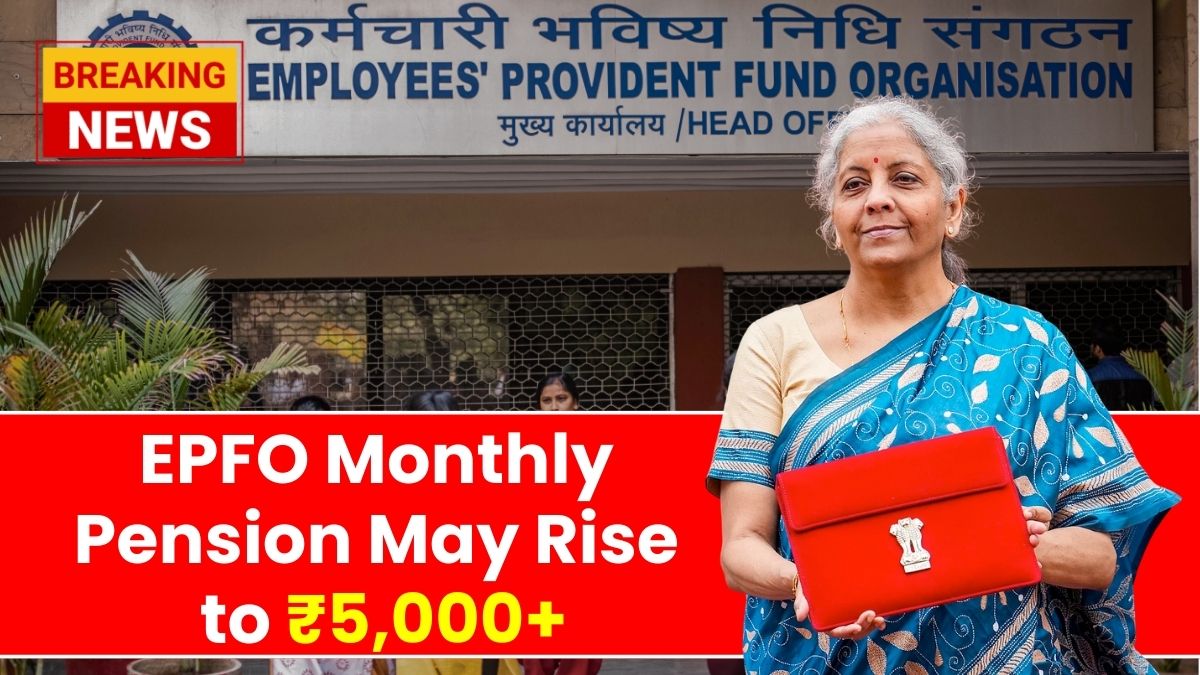
The Employees’ Provident Fund Organisation (EPFO) plays a crucial role in providing financial security to private-sector employees after retirement. Apart from savings through EPF, EPFO also offers monthly pension benefits under the Employees’ Pension Scheme (EPS). With recent updates and rule changes, many private employees are hopeful about improved pension benefits and smoother processes starting in 2026.
Who Is Eligible For EPFO Pension Benefits
To receive a monthly pension under EPFO, an employee must complete at least 10 years of service under the EPF system. Employees who continue working until the age of 58 and contribute regularly become eligible for full pension benefits. Those who leave their job after turning 50 can opt for a reduced pension, which starts earlier but is paid at a lower amount. Employees with less than 10 years of service are not eligible for monthly pension and can only withdraw their EPF balance.
How EPFO Pension Amount Is Calculated
EPFO calculates pension using a fixed formula: (Pensionable Salary × Years of Service) ÷ 70. For example, if an employee’s average pensionable salary is ₹20,000 and they have completed 20 years of service, the monthly pension comes to around ₹5,714. The longer the service period and the higher the salary, the better the pension amount. Under EPS-95, pensionable salary is usually capped at ₹15,000, unless the employee opted for the joint option.

New EPFO Rule Changes Bring Higher Pension Hopes
After the Supreme Court’s ruling, EPFO now allows eligible employees to claim pension based on their actual salary instead of the earlier fixed limit, provided they applied under the joint option within the allowed timeframe. This change is extremely important for private employees who earned higher salaries but were earlier restricted by pension limits. EPFO has also simplified online pension claim and correction processes.
Digital Improvements And Smoother Pension
From February 1, 2026, EPFO is expected to further strengthen its digital systems. Pension applications, bank detail updates, and grievance handling are becoming faster and more transparent. These improvements aim to reduce delays, paperwork, and repeated visits to EPFO offices, especially for senior citizens who depend entirely on pension income.
What Private Employees Should Do Right Now
Employees and pensioners should ensure that their Aadhaar, bank account, and service records are updated in the EPFO portal. Submitting life certificates on time and tracking pension status online can prevent payment delays. It is also important to rely only on official EPFO announcements and avoid misleading claims circulating on social media.

Final Outlook On Epfo Pension Updates
While no fixed pension hike amount has been officially announced yet, the recent reforms clearly indicate that EPFO is moving toward a more flexible and employee-friendly pension system. For private-sector workers who spent decades contributing to EPF, these changes bring renewed confidence about post-retirement financial stability.
Disclaimer
This article is intended for general informational purposes only and is based on current EPFO rules, court judgments, and policy discussions available at the time of writing. Pension eligibility, calculation methods, implementation timelines, and benefits may change based on official EPFO notifications. Readers are advised to verify all details through the official EPFO website or authorized government sources before making any financial or retirement-related decisions.